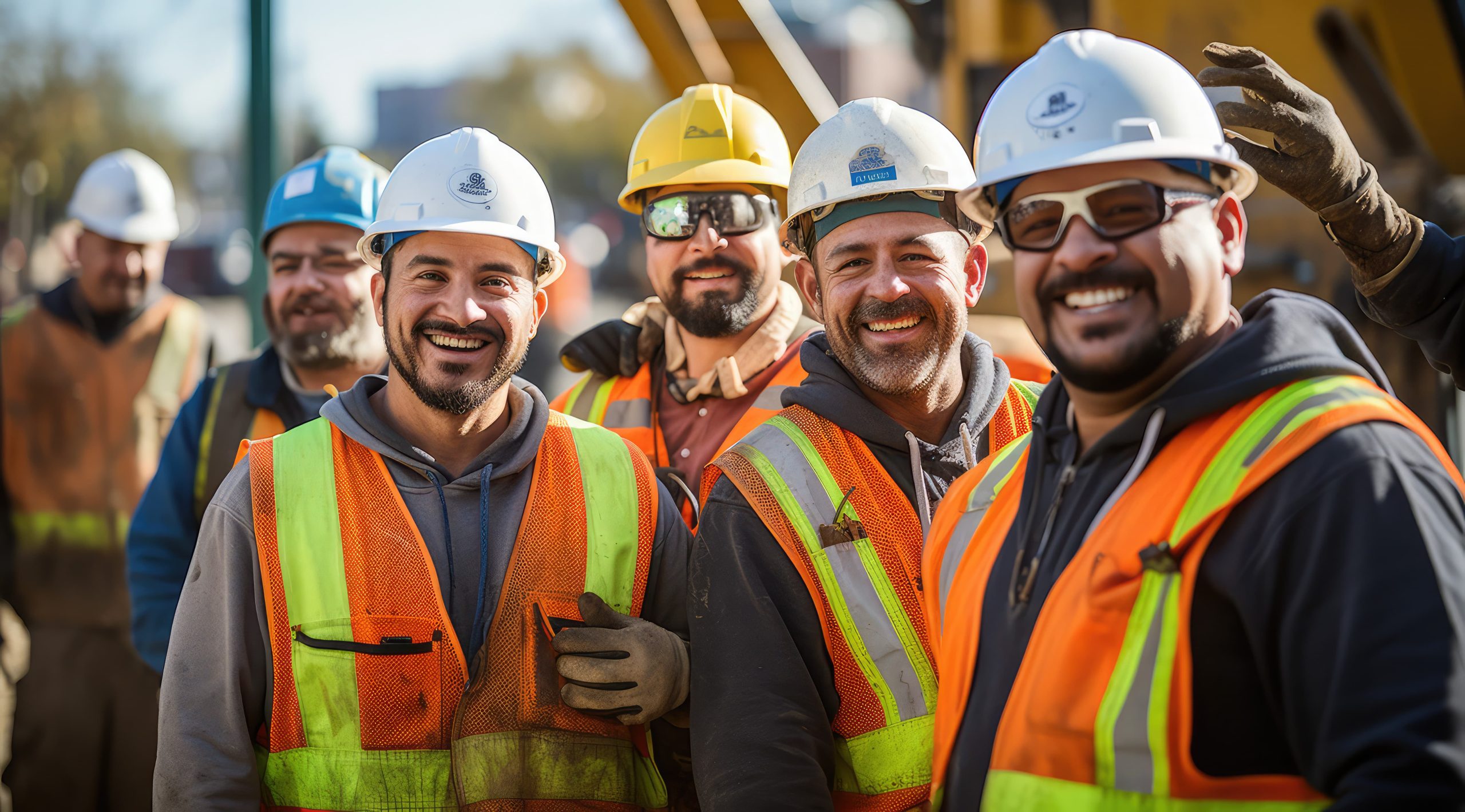
To get a job in construction, start by identifying the trade or role that fits your skills, whether that's general labor, carpentry, electrical, plumbing, or project management.
From there, the path typically involves getting a high school diploma or GED, completing an apprenticeship or vocational training program, earning any required licenses or certifications, and applying directly with contractors, construction firms, or through a union hall.
No college degree is required for most roles, and many positions offer on-the-job training for entry-level workers.
Key Takeaways
- As more white-collar jobs are automated by AI, white-collar workers have started exploring a transition into construction, where there is a significant and growing need for labor.
- A career in construction can begin with entry level work, an apprenticeship, or a vocational school or university. The approach that works best for you will depend on your personal and financial needs and goals.
- The current economic situation makes this a good time to start a career in construction. Before you start, it’s important to understand the process and what you can expect from the job.
Are You Considering a Job in Construction?
As AI adoption soars, many white-collar workers have started to search for careers less likely to be automated. One such career is construction, which is made up of a range of skilled trades and disciplines that are difficult to fully automate, so they can’t be replaced with AI. What’s more, the current growth in infrastructure, manufacturing, and data center construction has created a huge demand for skilled construction workers.
Whether you’re just starting your career or looking to make a change after years of white-collar work, it’s important to understand the different types of construction work and what you can expect from each. The huge range of different tasks, the high demand for this kind of work, and the fulfillment that comes from building the next generation of high tech infrastructure are just some of the upsides of having a job in construction.
Why Construction Is a Smart Career Move in 2026
Here are some key reasons people of all ages and career levels are looking to move into construction.
Strong Demand and Job Security
- Skilled labor shortage and a retirement wave: 94% of construction firms report having issues finding new workers and back filing for retirees. Although the demand for blue collar labor is outpacing white collar jobs, the marginal increases in vocational training aren’t currently enough to support the trillions of dollars of projected construction spending, including hundreds of billions in North Texas.
- Growth in infrastructure, manufacturing, and data centers: While AI is poised to reduce demand for white-collar work, it has also created a boom in sophisticated construction projects. These don’t just include data centers, but also the infrastructure needed to support them, as well as manufacturing facilities for chips and other key components of next-gen supply chains.
- Long-term stability: Skilled tradespeople are in high demand that will likely last for many years, meaning they’re not as closely tied to the volatility of investment cycles that define work in tech, finance, and other white-collar careers.
Competitive Pay Without a Four-Year Degree
- Entry-level wages vs. journeyman wages: The AI boom has hit entry-level jobs the hardest, greatly reducing the earning potential of college graduates. Entry-level construction jobs not only pay well, but they often include benefits and a clearly defined path to higher-earning journeyman role.
- Overtime potential: Depending on the role and project, construction work often includes opportunities for overtime hours, which rewards workers who are willing to work beyond a typical eight-hour schedule.
- Apprenticeships that pay while you learn: Apprenticeships in the construction trade often pay better than internships in white-collar fields, allowing you to learn critical skills while earning a living wage.
Work That Can’t Be Replaced by AI
- Construction skills can’t be replaced by AI: As a physically demanding and complex process, construction work involves a huge number of discrete skills, most of which cannot be automated with software or AI.
- Technology supports the job, but it doesn’t eliminate it: Automation tools are still present in construction (and becoming more common); however, these are additive, helping to improve efficiency and reduce risks, which can make each job safer while making you more productive.
Understanding the Different Types of Construction Work
Construction is a broad term for several different disciplines, all of which are used in different ways, depending on the type of building, structure, or project.
Data Centers (and other Industrial Projects)
Arguably the most technical and involved form of construction work, data center construction involves a combination of specialized manufacturing, energy production, and, of course, the construction of the data centers themselves.
Because these facilities operate under highly controlled conditions, particularly temperature, atmosphere, and other factors, these jobs are often very specialized and pay higher than other types of construction. Data center construction is in a period of high growth to meet the demands of AI and is one of the primary sources of staffing demand at Skinner.
Residential
Residential construction includes homes, apartment buildings, and condominiums, either for private owners, property developers, or government housing agencies. These projects tend to be smaller-scale and less technically involved and can sometimes require direct input and interaction with customers.
Commercial
Commercial construction is a broad term that goes beyond offices to other workplaces like hospitals, schools, laboratory facilities, and so on. Because these projects are specialized, these construction jobs are closely managed and require extensive coordination across a large team.
Civil Engineering & Infrastructure
Civil engineering and infrastructure projects might include roads, power lines, bridges, transit infrastructure, and other public utilities. These projects are often government-funded and can have long lead times, sometimes years or even decades. Recently, there’s been a huge push to support power grid growth and capacity to meet the demands of AI data centers.
The Main Ways to Get into Construction
1. Start Working Immediately (No Experience Required)
If you’re looking to start right away and have limited or no construction experience, there are several entry level roles you can take right away to get experience. Common titles might include:
- General laborer
- Construction helper
- Cleanup crew
- Material handler
- Warehouse support
These roles are likely to be highly supervised and physical. The focus won’t be on technical skills, finesse, or tasks with high levels of complexity. Instead, you’d be doing more manual labor: cleaning up jobsites, moving materials around, hands-on work such as building scaffolds, and working with power tools like drills or saws.
The ideal candidates for these roles are driven and reliable, and who need to earn right away while hoping to learn skills on the job.
2. Apply for an Apprenticeship
An apprenticeship is a structured program either through a school, employer, or labor organization that allows you to learn as you work. The hours you earn build towards a certification or license which you can apply for at the end of the apprenticeship.
Unlike a general labor role, you’ll pick a trade, such as being an electrician, pipefitter, or carpenter, and you will split your time working with school and training. Depending on state laws, trade, and apprenticeship, this can take between 2-5 years. Once you have enough experience and training, you can test to become a journeyman and continue your work at a higher rate of pay.
3. Attend Trade School or Community College
If you’re able to learn without needing to work or if you have another source of income, you can attend a trade school for a particular trade. These programs help you learn the details of the trade and earn a license. You can also learn management skills, which can translate to office construction roles.
Additionally, trade schools can set you up for long-term success, allowing you to take higher-paying roles right out of school. However, they aren’t necessary for every trade or job and are most often used for more specialized work like welding, electrical work, HVAC, and so on.
4. Degree Path
Going to school for a four-year degree in civil engineering, architecture, construction management or other role can be a heavy lift, but it can also offer the best career prospects in the long term. These roles typically put you in office or provide a blend of office and jobsite work, which can make them attractive to those transitioning out of white-collar roles.
What You Need to Be Hirable
Core Traits Employers Look For
Those looking for a long-term career in construction will need to embrace many industry standards, as the worksite environment is very different from an office or classroom.
Good candidates are skilled at working with a team and are reliable, consistent contributors. Having an investment in job safety is also critical, along with solid physical stamina. It’s also important to be excited about the work and be eager to learn new skills.
Basic Certifications That Help You Stand Out
You can look into obtaining certifications to help make you a better candidate, such as the OSHA 10 certification for entry level work or OSHA 30 for supervisory positions. First aid and CPR training are also invaluable and required on many jobsites, while certain construction roles might require specific equipment certifications.
Trade Licenses
If you want to work in a trade above an apprentice or entry level, you’ll need to obtain a license. These aren’t necessary for every construction role, but are usually required for specialized jobs like electricians, plumbers, welders, HVAC workers, and others.
The requirements and licensing structure varies from state to state.
Step-by-Step: How to Get Your First Construction Job
Step 1: Choose a Path
The first step is to pick a goal and stick to it. This will depend on your current situation and income needs. Those who need income can get experience through an apprenticeship or entry-level work. If not, you can explore signing up for a vocational school or other program.
Step 2: Get Baseline Credentials
Depending on the path, you might spend between one to six years getting the necessary experience and credentials.
Step 3: Build a Construction Resume (Even with No Experience)
You can draw from other sources to build a resume. Military experience, jobs that require coordination and teamwork, and even hobbies like woodworking, will be considered for entry-level jobs and apprenticeships.
Step 4: Start Applying Strategically
Look around at the job portals and organizations, including local contractors, job boards, and staffing companies like Skinner. This can give you a good idea of what kinds of projects and roles are in demand and what skills you should focus on developing.
Step 5: Show Up Strong
Whether for an apprenticeship or an entry-level role, it’s critical you show yourself to be a dedicated and capable worker by arriving early with the required PPE and gear. You can also demonstrate your excitement and willingness to learn by asking questions and displaying an interest in maintaining safe work practices.
Is Construction Right for You?
| Pros | Cons |
|---|---|
| Strong earning potential with a defined path to higher wages through education and experience | Work early in the day, very different schedule from white-collar work |
| No degree required for most roles or for career advancement | Years-long lead times for many certifications, which may include demanding work-school schedules |
| Satisfying physical work with clear and tangible outcomes | Physical demands can be challenging, and the work environment is more likely to produce strains or injuries than an office |
| High and consistent demand for construction work, particularly specialized trades | Labor demand can be cyclical, particularly for entry-level work |
There’s Never Been a Better Time to Get into Construction
Whether you’re just starting your career or looking to make a transition out of the white-collar world, this is an excellent time to get experience and skills working in construction.
The industry’s labor shortage isn’t likely to go away anytime soon, and construction firms are looking to add skilled, hardworking people to their team. This need for skilled tradespeople means you’ll be entering the field in an excellent position to obtain fulfilling, well-paying work for a long time.
If you’re interested, take a look at our offerings and learn how we can help you find the ideal path and position in your new career.
FAQs on How to Get a Job in Construction
How much do construction workers make?
Construction workers make different pay scales depending on the role, experience, and location. Entry-level laborers and helpers typically earn $16–$22/hour to start. Once you move into a licensed trade, earnings rise substantially, as high as $100,000 for senior, experienced workers.
Do I need a degree or license to work in construction?
No degree is required for the vast majority of construction jobs. Most entry-level and skilled trade roles require only a high school diploma or GED, and some employers will overlook even that for candidates who show up reliable and ready to work. Licenses, however, are a different matter. Electricians, plumbers, HVAC technicians, and welders need a state license to work above the apprentice level, but those licenses are typically earned through apprenticeship hours and a practical exam.
How long does a construction apprenticeship take?
Most construction apprenticeships run between three and five years, depending on the trade. A typical year includes around 2,000 hours of paid on-the-job work alongside classroom instruction. The key thing to understand is that you're earning wages the entire time, usually starting at 40–50% of the journeyman rate, with raises built in as you advance through the program. That makes an apprenticeship a fundamentally different proposition from going back to school: you're building skills and a paycheck at the same time.
What certifications help you get hired in construction?
If you're starting from zero, OSHA 10-Hour Construction certification is the single best investment before submitting your first application. It costs $50–$100, takes about two days to complete online, and is required on many job sites before your first day. Beyond that, First Aid and CPR certification is fast, inexpensive, and required on a growing number of projects. For supervisory or lead roles, OSHA 30-Hour covers safety management in more depth and signals that you're ready for more responsibility.
Is construction a good long-term career?
For most people who stick with it, yes, construction can be a good long-term career. The industry is in the middle of a serious labor shortage, with the vast majority of construction firms reporting difficulty finding qualified workers. That dynamic gives skilled tradespeople real negotiating power over wages, benefits, and working conditions in a way that's unusual compared to white-collar fields.
Latest News